Nurturing future leaders to solve the world’s complex problems through design
We employ a systems-centered approach, driven by contextual research, to address complex socio-cultural and socio-technical issues at the intersection of design, technology, and management.
Design for Behavior Change
In this module, SDM students dive deep into observational studies and ethnographic practices to understand the underlying drivers of human behavior. By analyzing behavioral stimuli, students learn to differentiate between desirable and deviant behaviors and uncover the root causes behind recurring patterns. This approach helps identify not only the behavior but also the systemic factors that influence it. The course places special emphasis on the cascading effects of these behaviors, teaching students to trace how addressing a core issue can produce ripple effects of positive change across related behaviors and systems. Solution development in this module focuses on creating interventions at the root level, ensuring maximum impact with minimal intervention—leading to significant improvements in user engagement, satisfaction, and overall system efficiency.

Service Design
The New Service Design module in SDM focuses on designing service concepts that address unique, latent needs for specific user groups, moving beyond conventional market demands. Through deep user research, students identify hidden needs and develop innovative service architectures that incorporate elements such as agent involvement, touchpoints, user interactions, and inclusivity. A core aspect of the module involves creating a service storyboard that visualizes the entire user journey, effectively communicating user personas, their needs, and the desired experience. This process enables students to craft value-driven solutions that are both meaningful and impactful, ensuring that the service addresses the true essence of user needs and enhances overall experience.



Systems Design
The New Service Design module in SDM focuses on designing service concepts that address unique, latent needs for specific user groups, moving beyond conventional market demands. Through deep user research, students identify hidden needs

Design Audit
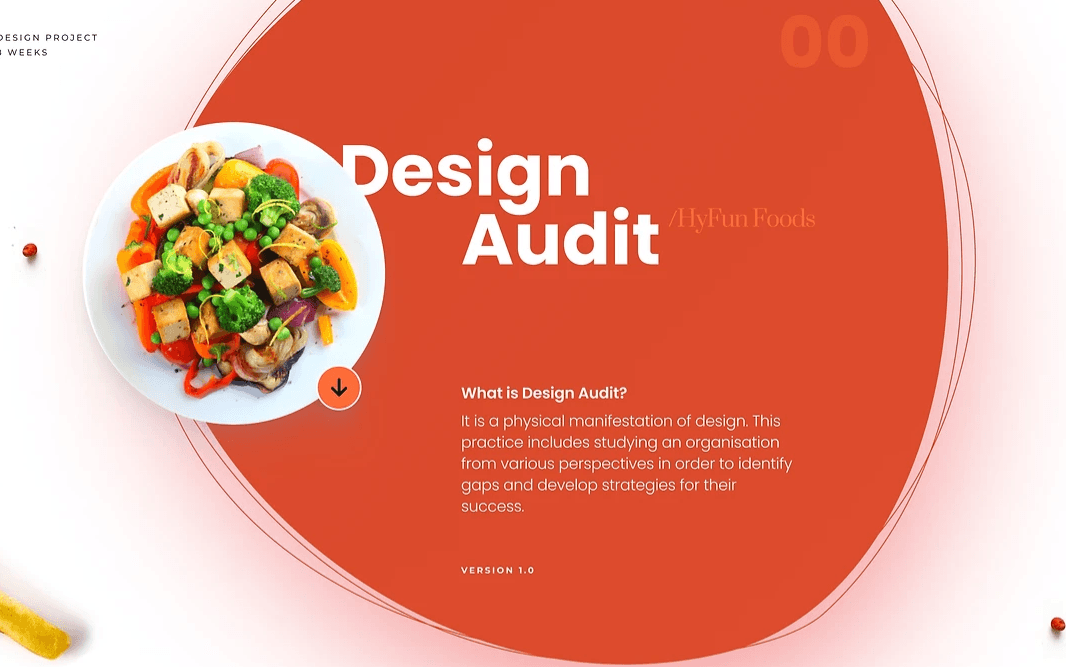
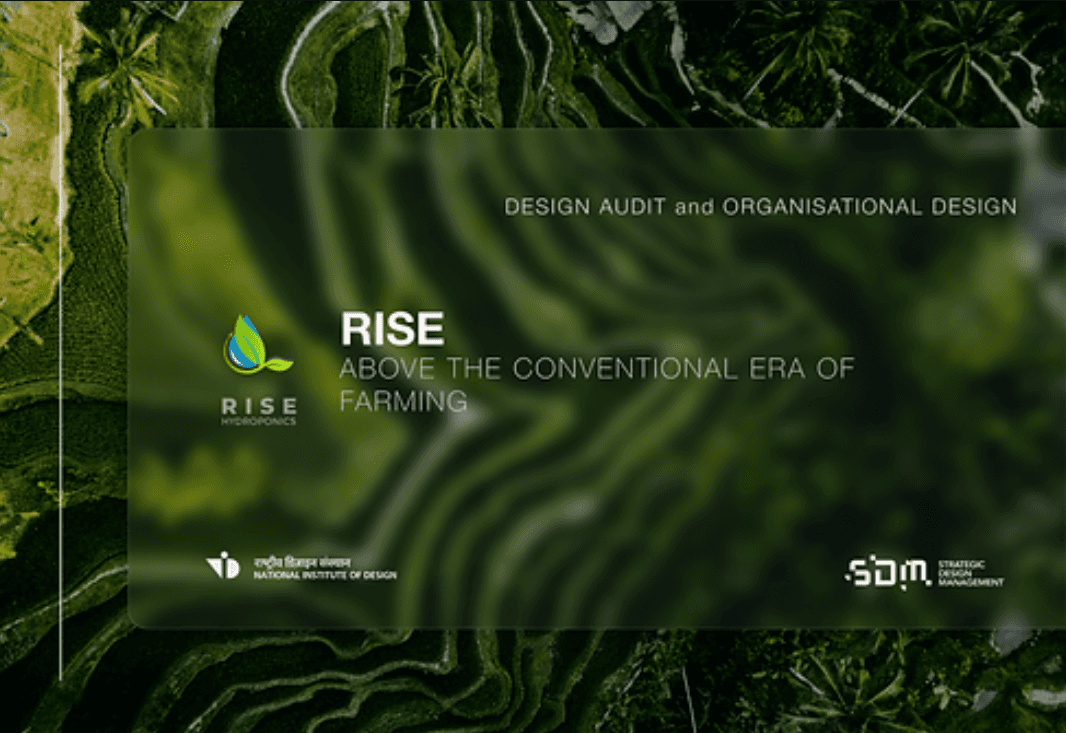
The Design Audit module trains SDM students to assess and optimize an organization’s design practices, processes, and structures through a lens of inquiry. Using a combination of design research tools and ethnographic studies, students evaluate companies holistically—examining internal processes, organizational culture, external factors, and the broader competitive landscape. The module aims to identify gaps and opportunities for improvement by understanding where a company currently stands and charting a clear roadmap for future growth. SDM students provide strategic, actionable recommendations that integrate design seamlessly into business processes, aligning organizational goals with design-driven outcomes to foster sustainable transformation and growth. This approach ensures that innovation is driven by both people and processes, making design a core element in driving organizational success. The audit culminates in the creation of an innovative Business Model Canvas (BMC), which reflects the company’s strategic direction and provides a clear framework for sustainable growth and transformation.

Design Research
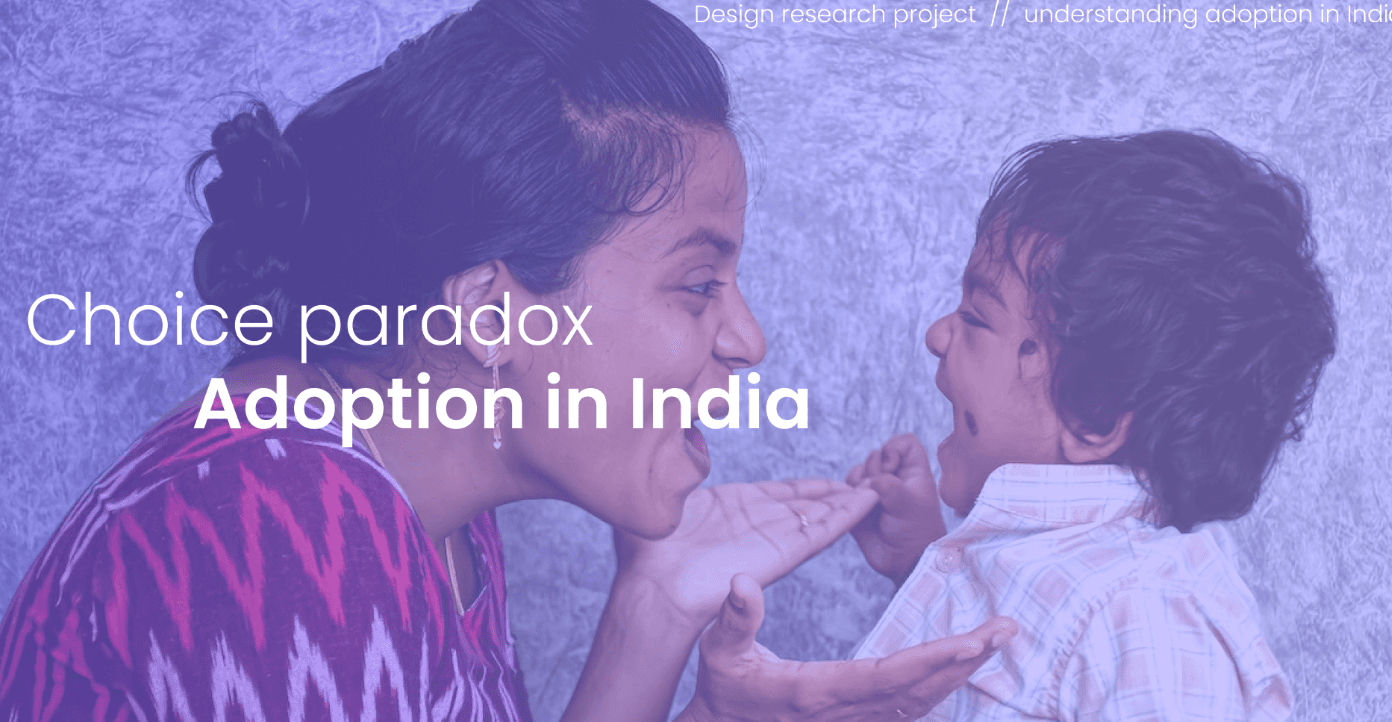
This module equips SDM students with expertise in qualitative and mixed-method research methodologies. The course focuses on exploring and mastering established research tools and developing custom, context-specific tools to conduct human-centred, in-depth investigations. Students learn how to collect and synthesise complex qualitative data and transform it into clear, actionable insights through data visualisation and information design techniques. The primary objective is to identify latent opportunities, emerging patterns, and practical strategic directions that can create meaningful changes within the research context and scale across broader systems. By the end of this module, students become adept at navigating complex environments, using research to drive strategic design decisions that align with both human needs and business objectives.
Social Innovation
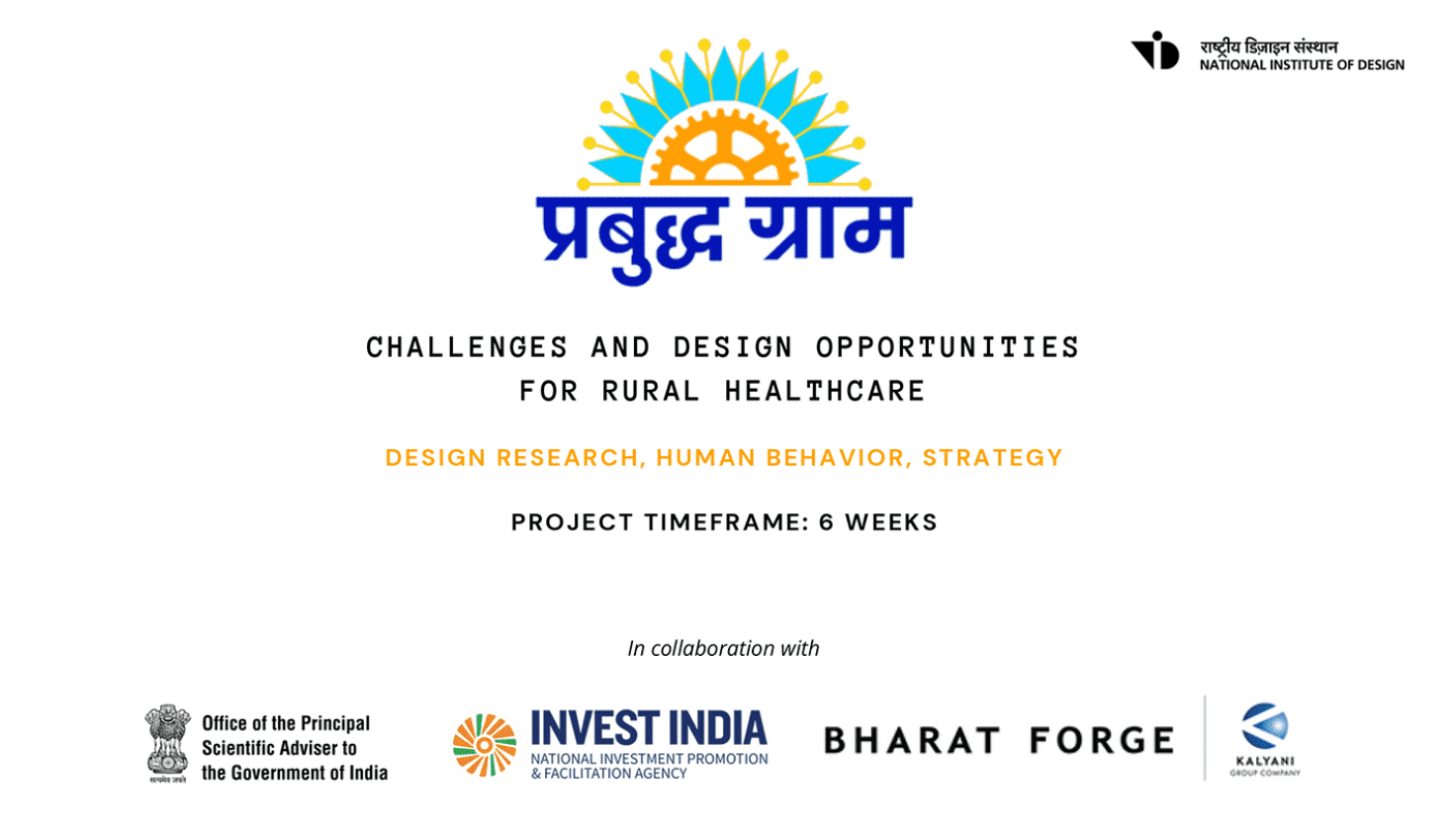
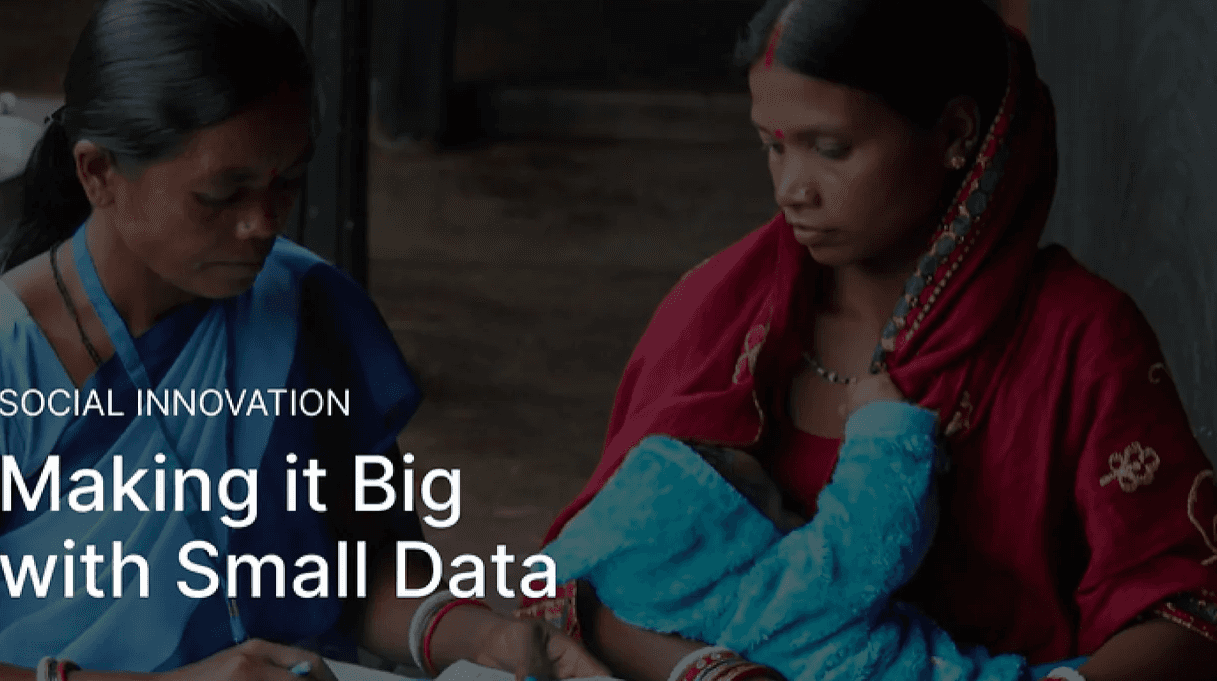
The Design for Social Innovation module at NID reflects the institute’s core values of sustainability, ethics, and community-driven solutions. In this module, students dive deep into complex social systems, using qualitative research methods like ethnography, contextual inquiry, and stakeholder mapping to understand problems at their root. They design unique data collection tools tailored to the needs of diverse stakeholders and analyze systems to uncover gaps and challenges. The focus is on crafting comprehensive, ethical solutions that are sustainable and adaptable to real-world ecosystems. By fostering collaboration with communities, businesses, and government organisations, students work on creating innovative solutions that drive long-term social impact, advancing progress in both social and environmental contexts.

SDMers in Leadership Roles..
From startups to global enterprises, SDM graduates are leading the charge in transforming industries through strategic design leadership.